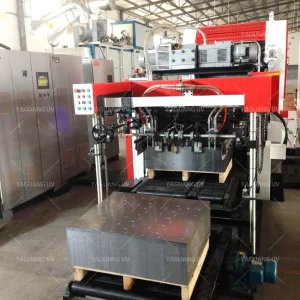
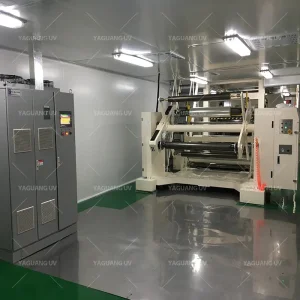
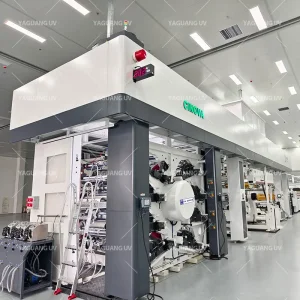
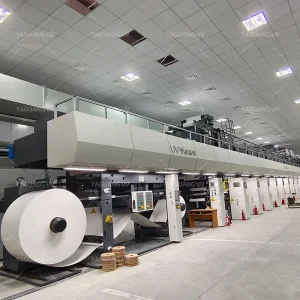
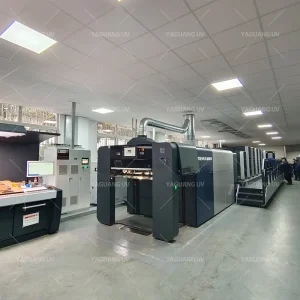
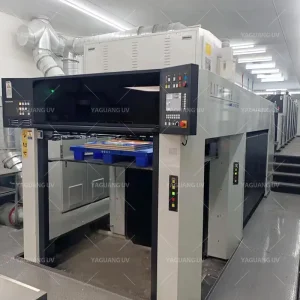
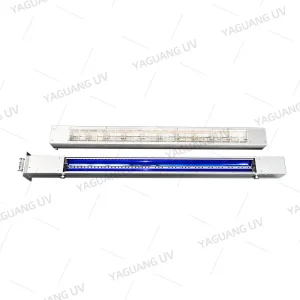
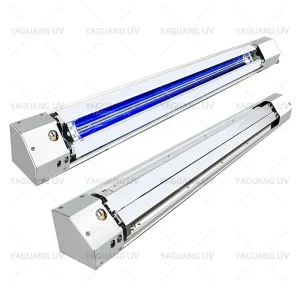
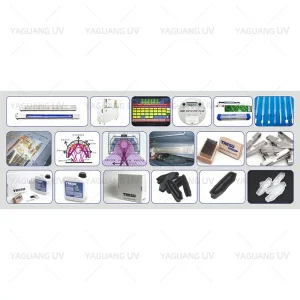
Explore our core engineered systems. From metal packaging lines to high-speed flexo integration, these products feature CE conformity and robust component frameworks tailored for Lisbon's rigorous production requirements.
Dongguan Yaguang Machinery Co., Ltd. is a National High-tech Enterprise specializing in the design, development, and manufacture of high-performance UV curing systems. Over nearly two decades, we have established our reputation by providing advanced photopolymerization solutions that fit seamlessly into modern production chains.
Our solutions cater directly to Lisbon's expanding industrial framework, which includes demanding production lines in municipal hubs like Loures, Vila Franca de Xira, and the Setúbal Peninsula. These industries rely on efficient sheet-fed metal printing, flexible label packaging, and electronics manufacturing where rapid chemical curing is paramount.
With over 2,000 installations globally, our UV systems retrofitted or pre-installed are compatible with machinery brands such as Heidelberg, KBA, Roland, Komori, Mitsubishi, and Ryobi, as well as metal printers like Fuji, Queley, and Ruiyuan.
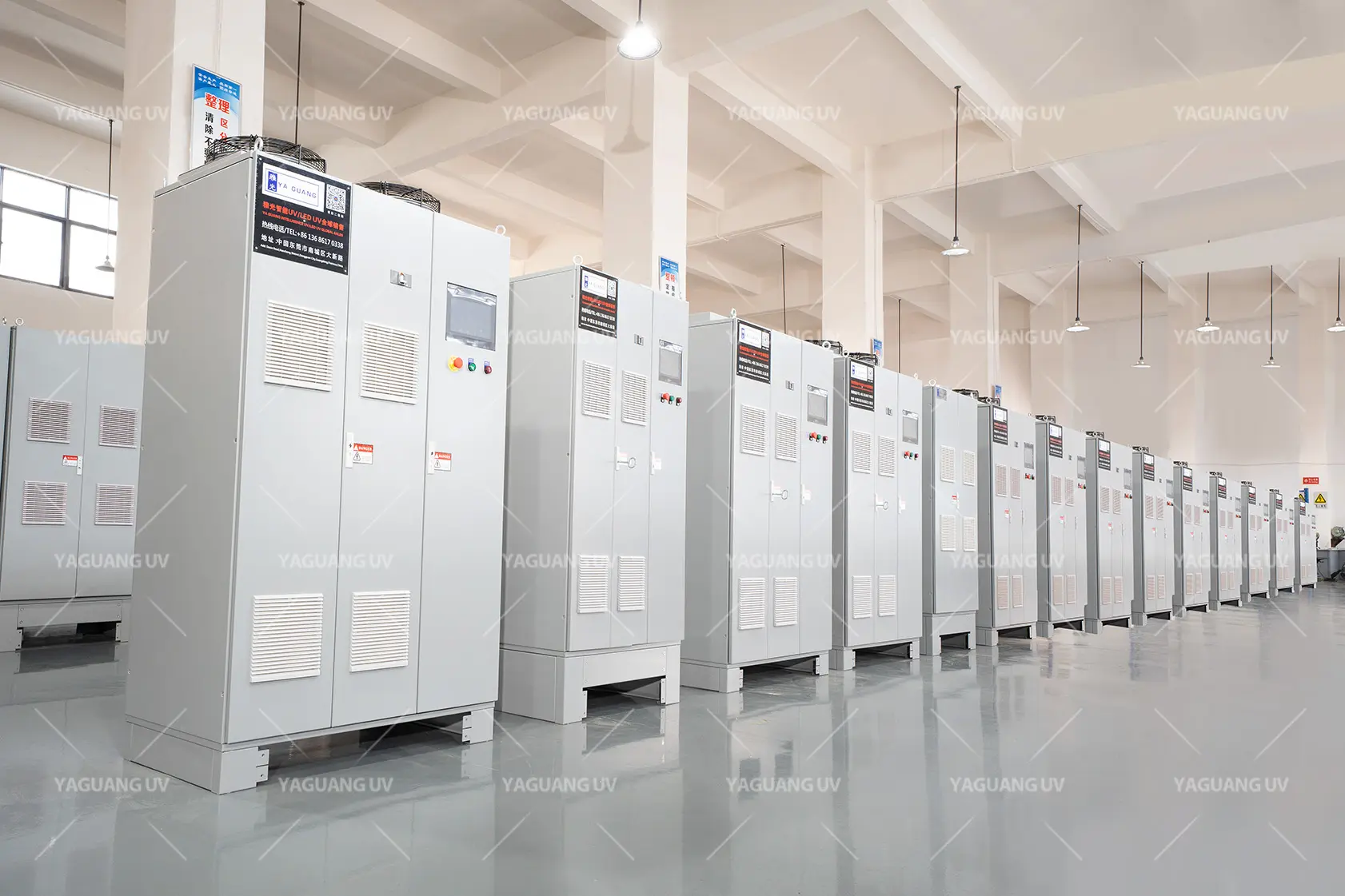
The Lisbon Metropolitan Area represents Portugal's economic engine. Currently, Lisbon's printing and industrial coating sectors are experiencing structural shifts. Companies are moving away from traditional solvent-borne drying systems to mitigate Volatile Organic Compound (VOC) emissions, complying with stricter European Union directives and municipal regulations regarding emissions and carbon intensity.
This green transition relies heavily on adopting advanced UV and UV-LED technology. By replacing thermal hot-air dryers and traditional solvent-based varnishes with UV curing systems, local businesses can decrease footprint requirements, eliminate VOC emissions, and achieve immediate processing speeds. In sectors like pharmaceutical packaging (where low-migration ink standards are strict) and agricultural labeling (vital for the Portuguese wine and olive oil export industries), UV LED curing systems ensure high-adhesion and chemical resistance, guaranteeing food-safe, high-durability output.
Lisbon-neighboring automotive clusters require highly durable scratch-resistant coatings. Our customized UV-LED arrays provide instant polymerization on plastic and composite components.
From flexible plastic bags to rigid paperboard containers, the local packaging sector is transitioning to low-migration UV inks to guarantee food safety compliance.
By switching to UV LED technology, Portuguese production plants achieve energy savings up to 70%, matching the national agenda for industrial carbon neutrality.
Understanding the physics of photopolymerization is critical for Lisbon engineers selecting an OEM supplier. Curing processes require a precise match between the spectral absorption profile of the photoinitiators in the ink/varnish and the emission spectrum of the UV light source. We supply two distinct technical routes:
Conventional systems generate a broad spectral output from 200nm to 450nm. The presence of UVC wavelengths (200nm–280nm) is helpful for achieving rapid surface cure, as these short wavelengths are absorbed in the top layer of the ink, preventing oxygen inhibition. This broad spectral output makes mercury lamps highly versatile and compatible with standard, cost-effective photoinitiator formulations. Our conventional systems incorporate step-less electronic power supplies, adjusting output dynamically relative to press speed to optimize energy consumption and minimize thermal load on substrates.
UV-LED systems represent a technological paradigm shift. They emit monochromatic light, typically concentrated at specific wavelengths like 365nm, 385nm, 395nm, or 405nm. This targeted emission maximizes optical power efficiency without generating infrared (IR) radiation, making it ideal for thin, heat-sensitive films like PE, PVC, and thin paper packaging. Our LED systems leverage high-density chip-on-board (COB) technology, providing high peak irradiance (up to 16–24 W/cm²) and energy densities necessary for complete depth cure even on heavy ink films.
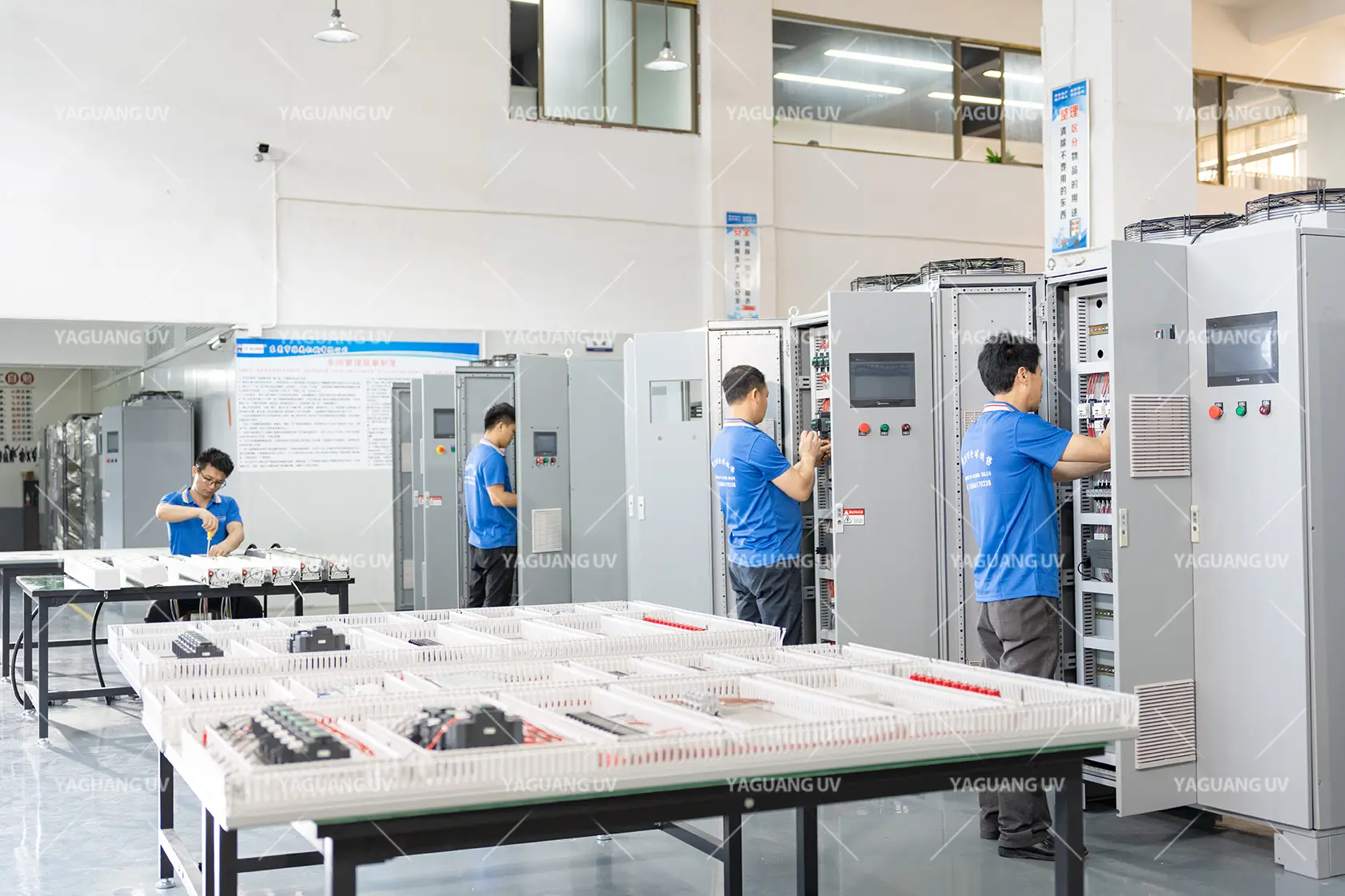
Our engineering team recognizes that the lifespan of a UV-LED chip depends on thermal junction management. To achieve a 20,000-hour diode lifespan, Yaguang integrates custom water-cooling systems utilizing microchannel liquid cooling blocks. By keeping junction temperatures below critical levels, we prevent wavelength shifting and output degradation, ensuring uniform curing consistency across multi-meter print spans.
As industrial automation advances, UV curing technology is evolving beyond simple light exposure units. We are guiding our clients through a detailed technical roadmap to keep their operations future-proof:
Yaguang operates from Dongguan, China’s industrial manufacturing hub. This location provides us with direct access to electronic components, optical glass fabrication, precision metal machining, and raw material supply networks. Our specialized production lines allow us to maintain a rapid lead time of 4 to 6 weeks for custom configurations, compared to 12 to 16 weeks from standard domestic European manufacturers.
We mitigate international supply chain risks through robust logistics and redundant engineering standards. Critical electrical components, including PLC units and solid-state relays, are sourced from globally recognized suppliers, ensuring that replacement parts are readily accessible in Portugal or neighboring Spain.
To serve the Iberian market effectively, we provide custom wood crating, sea freight options via the Port of Lisbon (Porto de Lisboa), and rapid air freight via Humberto Delgado Airport (LIS) for urgent component delivery.
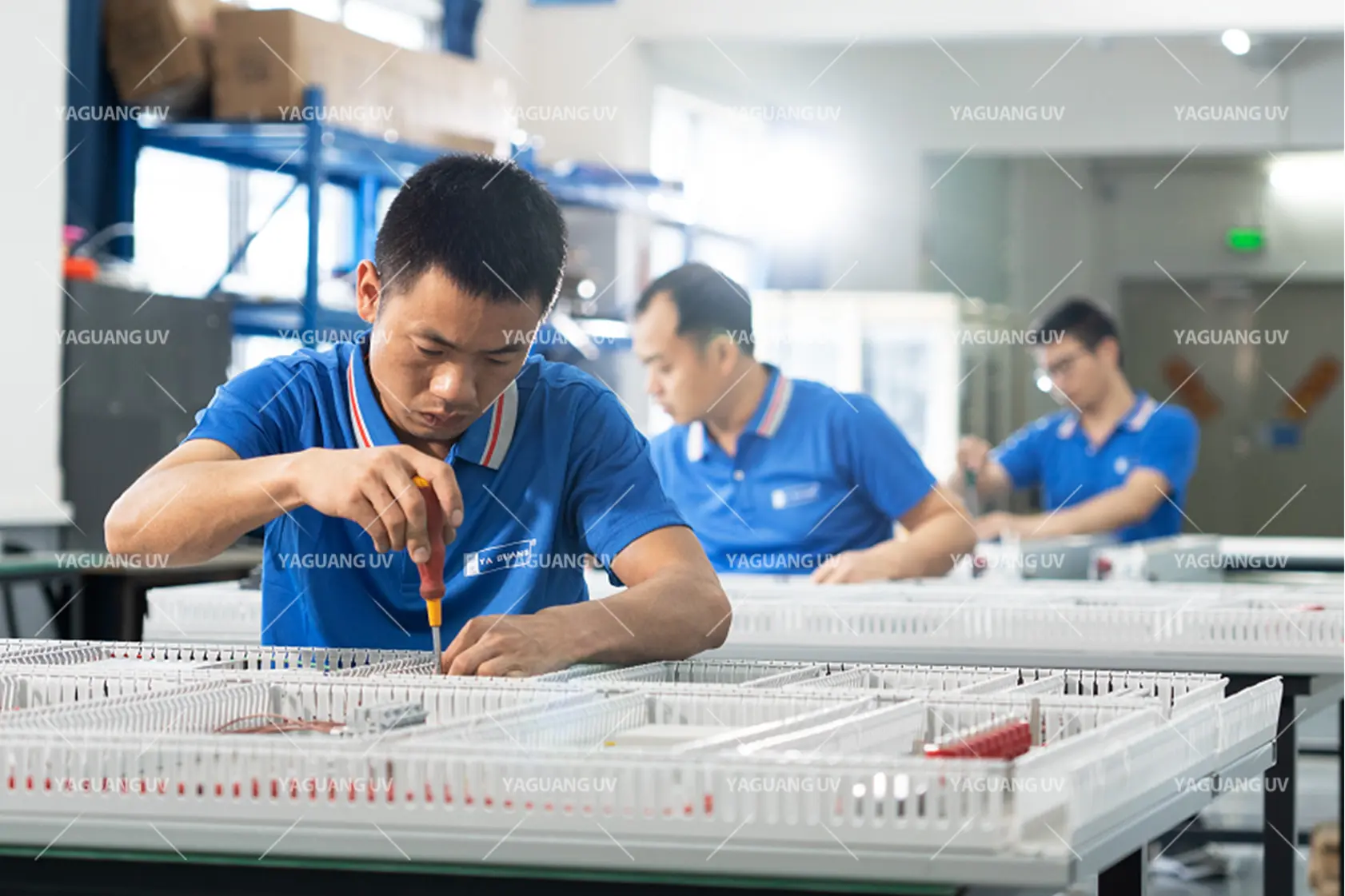
Operating machinery inside the European Union requires strict compliance with dynamic safety directives. All Yaguang UV curing systems are designed, assembled, and tested to meet European standards:
Our commitment to Lisbon buyers extends beyond equipment delivery. We offer localized technical consultation, including layout engineering, mechanical adapter plate fabrication, electric schematic integration, and on-site or remote assistance during the commissioning phase.
Get professional, technical answers regarding UV curing retrofits, operations, and compatibility in the Portuguese market.
Yes. We specialize in custom retrofits. Our engineering team designs tailor-made interdeck and delivery UV modules that align with the specific space configurations of your existing press structure. We configure mechanical brackets, custom electrical panels, and control interfaces that sync directly with the press tachometer to modulate UV lamp output automatically relative to running speeds.
Our conventional medium-pressure mercury lamps typically provide 1,000 to 1,500 hours of stable operation, depending on start-stop frequency. In contrast, our water-cooled LED UV arrays are rated for 20,000+ operating hours of continuous exposure. This significantly reduces downtime, maintenance schedules, and consumables costs.
Each UV curing system undergoes a rigorous 72-hour continuous test cycle at our Dongguan factory prior to export. This protocol evaluates electric load stability, cooling loop integrity, and irradiance performance under full capacity. Furthermore, we only utilize premium quality components to ensure system reliability after arrival in Portugal.
Safety is integrated into our structural designs. Our UV housings feature mechanical shutters and light-baffle shields to prevent stray light escape. Additionally, we integrate electronic safety interlocks that immediately shut off power to the lamps if the cooling flow drops below safe parameters or if a cover panel is breached.
Explore our broader line of curing systems and precision components, engineered to meet custom retrofitting demands and new machine integrations across the Iberian peninsula.
 Yaguang Machinery