In the fast-paced world of industrial production, efficient procurement of UV drying solutions is crucial. Many businesses seek ways to optimize their processes and save costs. However, selecting the right UV drying solutions can be challenging. The variety of options available often leads to confusion.
Key considerations include understanding the specific requirements of your production line. Factors such as material compatibility and drying speed play a significant role. Most manufacturers underestimate the importance of consulting experts before making decisions. A failure to do so can result in costly mistakes that impact productivity.
Investing in reliable UV drying solutions is essential for maintaining quality. Researching reputable suppliers adds credibility to your choices. It's important to evaluate the long-term benefits, not just short-term savings. Even minor errors in the procurement process can derail your operations. Striking the right balance between cost and effectiveness requires a thoughtful approach.
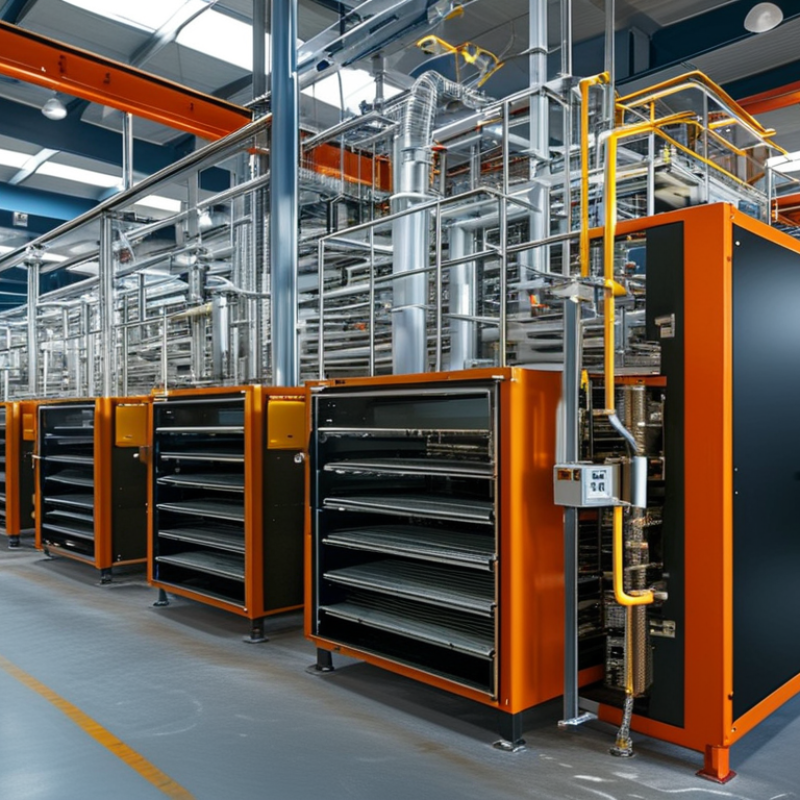
UV drying technology has revolutionized various industries, particularly in printing, coating, and adhesive applications. This innovative process utilizes ultraviolet light to cure materials rapidly, significantly enhancing production speed. According to a recent industry report, UV curing can reduce drying times by up to 90% compared to conventional drying methods. This efficiency not only boosts output but also minimizes energy consumption, making it a more sustainable choice for manufacturers.
The versatility of UV drying solutions allows for their application across diverse substrates, including plastics, metals, and paper. This adaptability has led to a 15% increase in demand for UV curing systems over the last three years. However, it is crucial to address certain challenges related to this technology. Businesses must be cautious about the initial investment costs and the requirement for specialized equipment. Effective training and support are essential to maximize the benefits of UV curing and avoid potential misapplications.
As industries strive for greater efficiency, understanding UV drying's technical nuances becomes essential. Companies often face difficulties in choosing the right system and materials. Additionally, the pace of technological advancement in UV drying means that staying informed is vital. Engaging with industry experts and utilizing research reports can help organizations navigate these complexities and make informed procurement decisions.
When considering UV drying procurement, several key factors must be evaluated. Efficiency is paramount; systems should minimize energy usage while maximizing output. A study by the Energy Department highlights that UV technologies can lead to a 30% reduction in energy consumption compared to traditional methods. Reliability is another crucial factor. Advanced UV drying systems must provide consistent performance to avoid production delays and material waste.
It’s essential to assess the compatibility of the UV system with existing equipment. Different substrates react variably to UV light. Testing is recommended to determine which wavelength works best for your materials. A small miscalculation here can lead to under-cured products and costly rework.
Consider the training and technical support provided by suppliers. Investing in staff training can enhance operational efficiency. It can also mitigate the risks of system failures. Regular maintenance schedules should be established to ensure long-term reliability. Poor maintenance practices can lead to unplanned downtimes and financial losses.
In summary, efficient procurement hinges on understanding these factors. By diligently evaluating energy efficiency, compatibility, and support, organizations can make informed decisions in their UV drying procurement process.
When considering UV drying solutions, cost-effectiveness is paramount. Businesses must analyze the initial investment against potential savings. Often, UV systems require lower energy input than traditional methods. This can significantly reduce operating costs, especially in large-scale productions. Additionally, the speed of UV curing boosts throughput, allowing companies to meet tighter deadlines.
However, selecting a UV drying system demands careful evaluation. Upfront costs might be deceptive. Maintenance and replacement parts are ongoing expenses to factor in. It's also crucial to assess the lifespan of UV lamps. These often need replacement, impacting long-term financial planning. The return on investment comes from balancing these factors.
Different applications may yield varying results. Some materials may not cure as efficiently with UV light. Testing on various substrates can provide insights into the overall effectiveness. Therefore, a well-rounded approach that incorporates performance data is vital. Reflection on past procurement decisions can guide future investments.
Sourcing quality UV drying equipment requires careful consideration. Industry reports indicate that operational efficiency can improve by up to 30% when using advanced UV drying systems. The technology enhances curing speed and energy efficiency. However, choosing the right equipment is crucial to achieving these benefits.
Evaluating suppliers based on their experience is essential. Look for manufacturers with a proven track record. According to a recent study, 45% of businesses reported dissatisfaction due to poor equipment performance. Quality assurance metrics and customer feedback can guide your decisions. Engage with suppliers to discuss your specific needs. This dialogue can reveal strengths and weaknesses in their offerings.
Another important aspect is understanding the latest technology trends. UV drying innovation is evolving rapidly, with new materials and techniques. Stay informed on these developments through industry publications and technical conferences. Many companies overlook the importance of training. Proper training on equipment operation can enhance effectiveness and reduce errors. Investing in staff knowledge often proves invaluable in maximizing equipment potential.
Emerging trends in UV drying solutions focus on improving procurement efficiency for those in the manufacturing sector. Innovative technologies are helping companies achieve faster drying times while maintaining quality. A growing trend is the integration of smart technology, which allows for real-time monitoring of drying processes. This not only ensures consistent results but also enables proactive maintenance, reducing downtime.
Tips for procurement efficiency include evaluating suppliers based on their ability to adapt to these technologies. Look for suppliers who prioritize sustainability in their UV solutions. Sustainable practices can lead to lower operating costs and a reduced environmental footprint. Don't underestimate the importance of client feedback as well. Engaging with other companies can provide insights into reliable suppliers and effective solutions.
Additionally, consider ongoing training for staff on the latest UV drying technologies. This ensures that your team can effectively operate and troubleshoot equipment. The importance of collaboration between procurement and production cannot be overstated. Establish an open channel for sharing information about challenges and improvements. It fosters a culture of continuous learning and adaptation in a rapidly changing industry.
: UV drying technology uses ultraviolet light to cure materials quickly, enhancing production speed significantly.
According to reports, UV curing can reduce drying times by up to 90% compared to traditional methods.
UV drying can be applied to various substrates, including plastics, metals, and paper.
Initial investment costs and the need for specialized equipment can be challenging for businesses adopting UV drying.
Proper training helps maximize equipment benefits and minimizes the risk of misapplications and errors.
Engaging with suppliers, understanding technology trends, and maintaining open communication between teams are key to procurement efficiency.
Sustainable practices can lower operating costs and reduce environmental impact, making them essential for modern procurement.
Evaluate suppliers based on experience, customer feedback, and their technology's performance in the field.
Real-time monitoring ensures consistent results and allows for proactive maintenance, reducing downtime effectively.
Keeping up with innovations helps businesses choose the right systems and materials, ensuring they remain competitive.
The article "Top UV Drying Solutions Tips for Efficient Procurement" explores the essentials of UV drying technology and its diverse applications across industries. It highlights key factors to consider during procurement, emphasizing the importance of evaluating the cost-effectiveness of UV drying solutions. By understanding these aspects, businesses can make informed decisions that enhance operational efficiency.
Additionally, the article outlines best practices for sourcing quality UV drying equipment, ensuring that organizations select reliable and effective solutions. It also sheds light on emerging trends within the UV drying sector that can improve procurement efficiency, allowing companies to stay competitive in a rapidly evolving market. Embracing these insights will enable businesses to leverage UV drying solutions to optimize their processes effectively.

Yaguang Machinery