Choosing the right UV curing equipment is crucial for many industries, including printing, adhesives, and coatings. According to a report by MarketsandMarkets, the UV curing equipment market is projected to grow from $3.2 billion in 2021 to $4.8 billion by 2026. This growth is driven by the increasing demand for energy-efficient curing solutions and the rising emphasis on environmental sustainability.
When selecting UV curing equipment, factors like the type of application, production volume, and curing speed must be considered. The wrong choice can lead to inefficiencies or costly downtime. Industry experts indicate that a well-chosen system can improve productivity by up to 30%. However, many companies face challenges in navigating the various options available.
Potential buyers should reflect on their specific needs and the characteristics of the UV curing equipment they are considering. Not every system will suit every application. Understanding the balance between cost, efficiency, and quality is essential. A thoughtful approach will ensure that the investment delivers long-term benefits.
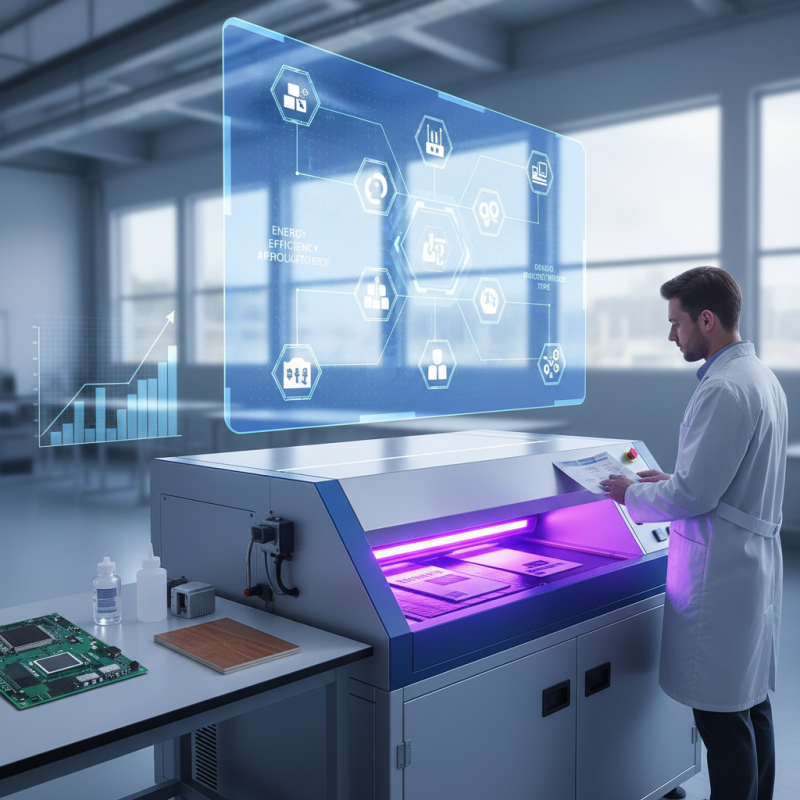
Factors to Consider When Assessing Your UV Curing Needs
Choosing the right UV curing equipment involves careful evaluation of your specific needs.
There are several key factors that can impact your decision.
First, consider the types of materials you will be curing. Certain materials react better with specific wavelengths.
According to a recent industry report, around 50% of manufacturers utilize UV curing for epoxy and inks due to their efficiency.
Another critical factor is the production volume.
High-output environments may require advanced curing systems that accommodate rapid processing.
In fact, a study revealed that companies using automated UV systems reported a 30% increase in production speed.
However, investing in high-end systems without understanding your workflow can lead to underutilization.
Moreover, energy efficiency is essential when evaluating UV curing equipment.
Not only does it affect operational costs, but it also contributes to environmental sustainability.
Industry data suggests that UV systems can reduce energy consumption by up to 70% compared to conventional drying methods.
However, to ensure sustainable practices, assess the long-term operational costs and energy needs of any system before making a decision.
Understanding the Different Types of UV Curing Equipment Available
When selecting UV curing equipment, it's essential to understand the different types available. There are several methods, including lamp-based systems and LED options. Each type serves unique applications and offers varying benefits. For instance, lamp-based systems provide high intensity, making them suitable for thick coatings. However, they can have a shorter lifespan. LED systems, on the other hand, offer energy efficiency and a longer lifespan but may require different formulations.
The choice of equipment also depends on your specific needs. Consider the size of your projects, the materials you'll be using, and your production speed requirements. Narrowing down these factors is crucial but not always straightforward. Many users question whether they need high-intensity options or if moderate systems will suffice. It's a thought-provoking decision that impacts both efficiency and costs.
Understanding the characteristics of UV curing equipment is vital. Some systems produce heat, which can affect temperature-sensitive substrates. Others may require additional ventilation, depending on the environment. As you explore your options, take the time to evaluate each type thoroughly. Reflect on your end goals and how the right equipment aligns with them. The variety can be overwhelming, so weigh the pros and cons carefully.
Evaluating the Cost-Effectiveness of UV Curing Technology
When evaluating the cost-effectiveness of UV curing technology, it’s crucial to assess both upfront and ongoing costs. Investing in UV curing equipment can be significant. An initial analysis shows that costs can add up quickly, including maintenance and energy expenses. Understanding these factors can help businesses make informed decisions.
Consider these tips when choosing UV curing equipment. Assess the specific needs of your operation. Different industries have varying requirements for speed and quality. Look for equipment that aligns with your production rate and curing speed. The right match can lead to savings over time.
Next, evaluate the energy consumption of potential machines. Efficient machines lower operating costs and have a smaller carbon footprint. While it may seem tempting to opt for the cheapest option, this could lead to higher long-term expenses. Weigh your choices carefully to find the best overall value.
Key Specifications and Features to Look for in UV Curing Units
When selecting UV curing equipment, it's essential to focus on key specifications and features. These units are vital for various applications, from printing to coatings. Think about the intensity of UV light. A higher intensity can lead to faster curing times. However, more intensity may also require more rigorous safety precautions.
Consider the size and footprint of the equipment as well. Will it fit in your workspace? If the unit is too large, it could limit your operational efficiency. Also, pay attention to the wavelengths that the equipment supports. Different materials require specific UV wavelengths for optimal curing.
You must also evaluate the ease of use. Complex machinery can frustrate operators. Look for units with user-friendly interfaces. Regular maintenance is another vital aspect. Some equipment might need frequent servicing, leading to downtime. A reliable warranty can help mitigate potential losses. Each aspect deserves reflection, as they directly impact production quality and operational costs. Choose wisely.
Industry Trends and Future Projections for UV Curing Equipment Usage
The UV curing equipment market is evolving rapidly, driven by advancements in technology and increasing demand across various industries. Many companies are adopting UV curing processes to improve production efficiency. As we look to the future, the trend indicates a broader acceptance of UV technologies, especially in sectors like automotive, aerospace, and electronics. This shift highlights the importance of choosing the right UV curing equipment.
When selecting your UV curing equipment, consider these tips. Assess the scale of your operations and the specific applications. Equipment should match your production needs. Consult industry experts to gather insights on emerging technologies. Their experience can provide invaluable information. It's also wise to evaluate the energy efficiency of the equipment. A more efficient system can reduce long-term operational costs.
Additionally, stay informed about safety regulations. Compliance is crucial in maintaining a reliable operation. Engage with professional networks and trade associations to keep abreast of innovations. This collaborative approach can enhance your understanding and help you make informed decisions. As the industry continues to grow, the right equipment will shape success.
Overview of UV Curing Equipment Usage Trends
FAQS
: Certain materials react well with specific wavelengths. Evaluate your materials carefully for optimal results.
High-output environments require advanced systems for rapid processing. Assess your workflow to avoid underutilization.
Energy efficiency affects costs and sustainability. UV systems can cut energy consumption significantly compared to traditional methods.
Focus on UV light intensity, equipment size, supported wavelengths, and ease of use for effective operations.
Complex machines can frustrate operators and lead to inefficiencies. Opt for user-friendly interfaces to streamline the process.
Frequent servicing can cause downtime. Consider equipment needing less maintenance to ensure consistent production.
Evolving technology and demand drive equipment adoption. Staying informed helps meet future production needs effectively.
Regularly review safety standards and engage with professional networks to remain compliant and informed.
Consulting industry experts provides valuable insights and can enhance your decision-making process.
Evaluating long-term costs helps in understanding potential savings and impacts on your overall operations.
Conclusion
When considering the adoption of UV curing equipment, several key factors must be assessed. Understanding the specific UV curing needs of your operations is essential, as different industries may require various types of equipment. Evaluating the cost-effectiveness of UV curing technology will also aid in determining its viability for your applications, along with understanding the available models and their respective features.
Additionally, being aware of industry trends can provide insights into the future of UV curing equipment usage. Key specifications, including curing speed, energy efficiency, and versatility, are crucial when selecting the right unit. By thoroughly analyzing these aspects, businesses can make informed decisions that align with their production goals while optimizing performance and costs in their UV curing processes.

 Yaguang Machinery