China has become a significant source of industrial UV technology, supported by strong manufacturing networks and expanding automation expertise. This article introduces ten leading Chinese Industrial Uv Curing Systems manufacturers for buyers, engineers, and production managers.
The selection considers curing intensity, wavelength stability, conveyor design, cooling performance, energy efficiency, and after-sales support. These details matter on a factory floor. A poorly matched system may leave adhesive edges tacky, coatings uneven, or printed colors inconsistent. Small gaps can become expensive problems.
UV-curing researcher Norman S. Allen offered a practical reminder: “Curing quality depends on measured energy, not lamp brightness alone.” This principle remains valuable when comparing mercury lamps, UV LED modules, and hybrid systems. Real performance requires more than catalogue figures. It depends on substrate thickness, line speed, ink chemistry, distance, and maintenance discipline.
This overview also examines customization, testing capability, installation experience, and international service coverage. Some manufacturers excel at compact LED units. Others focus on high-output systems for printing, electronics, woodworking, and industrial coating lines. The “top ten” label should not be treated as an absolute verdict. Buyer priorities differ.
A stronger conclusion needs verified factory data, operating references, and independent technical evaluation. That part is sometimes overlooked. Product photos cannot reveal thermal drift, lamp-life costs, or control-system reliability. Therefore, readers should compare test reports, warranty terms, spare-part availability, and response times before making a final decision. This guide aims to provide a practical starting point, while recognizing that real production conditions may challenge even the most impressive specifications.
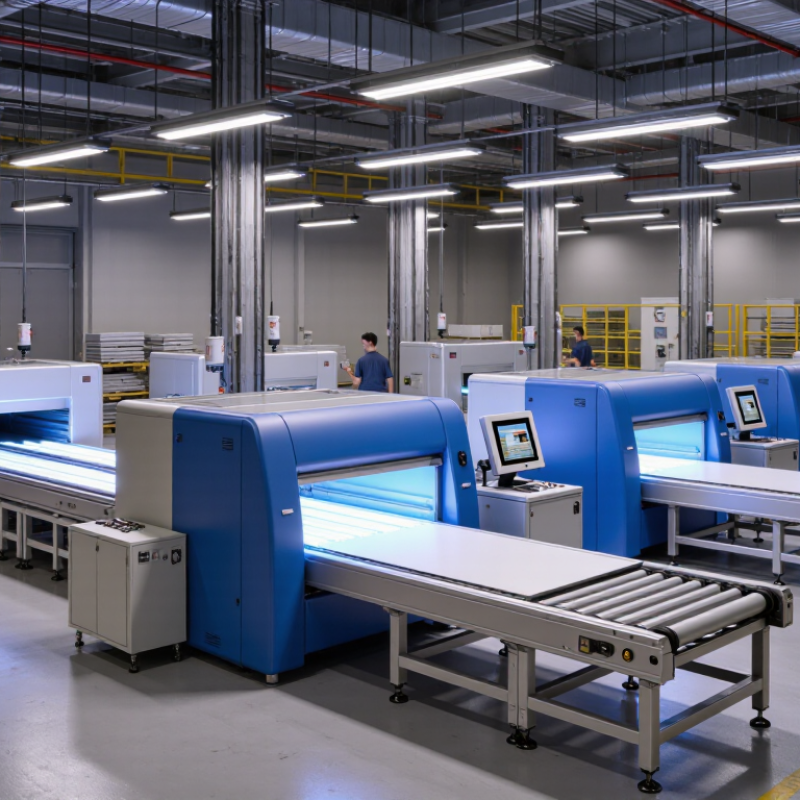
Industrial UV curing systems use ultraviolet energy to harden inks, coatings, adhesives, and resins within seconds. The process supports continuous production and reduces floor space compared with thermal ovens. Common applications include packaging, electronics, automotive components, wood finishing, and medical-device assembly. Demand is expanding as manufacturers seek lower energy use, faster output, and improved process control.
The market includes LED UV systems, mercury-based lamps, conveyor units, spot curing tools, and customized chambers. System selection depends on wavelength, irradiance, curing depth, substrate sensitivity, and line speed. Experienced engineers also check heat exposure, shielding, ventilation, and maintenance access. In practice, a glossy surface may look cured while deeper material remains soft. That mistake can create bonding failures later. Market forecasts also vary because regional regulations, energy prices, and production volumes change quickly.
Tips: Measure UV dose at the work surface, not only at the lamp. Test the complete material stack under real production speed. Record lamp age and cooling performance. Ask suppliers for validation data, service response times, and replacement-part availability. A pilot trial is safer than relying on a catalog value. Small details matter.
Evaluating China’s top 10 industrial UV curing manufacturers requires more than comparing lamp power or catalog prices. Experienced buyers inspect real production results. They ask how evenly a system cures across a 600-millimeter conveyor, not only how bright the lamps appear. Measured UV dose, wavelength stability, curing speed, cooling performance, and energy consumption should be recorded under repeatable conditions.
Technical expertise becomes visible in practical details. A reliable manufacturer explains irradiance readings, lamp or LED service life, reflector design, temperature control, and compatible materials. It should provide test reports, installation guidance, electrical documentation, and traceable quality records. Factory acceptance testing is valuable. Small details matter, such as sensor calibration and emergency shutoff response. These details protect production consistency.
Authority also depends on verified experience across coatings, adhesives, electronics, printing, and other industrial applications. Buyers should request application samples and speak with existing users when possible. Certifications support credibility, but they do not replace performance evidence. After-sales response matters just as much. Can engineers diagnose a weak cure remotely? Can replacement parts arrive quickly?
No evaluation is perfect. Published figures may differ from factory conditions. Even an efficient system can struggle with reflective surfaces, thick coatings, or uneven product shapes. A careful assessment therefore combines site trials, documented data, operator feedback, and lifecycle cost. The best choice is not always the cheapest or most powerful system. It is the one that performs reliably in the buyer’s actual process.
China Top 10 Industrial UV Curing Systems Manufacturers
China’s leading industrial UV curing system manufacturers increasingly compete through engineering depth, not only price. Their profiles commonly include UV LED modules, mercury-lamp equipment, conveyor systems, and customized control software. Many serve printing, electronics, coatings, automotive components, and medical packaging. MarketsandMarkets reported that the global UV curing system market could grow from about USD 1.5 billion in 2023 to USD 2.3 billion by 2028. That forecast reflects rising demand for faster processing and lower energy consumption.
Strong Chinese manufacturers usually provide integrated solutions. Their engineers measure irradiance, exposure distance, line speed, and substrate temperature before recommending equipment. Some factories now use liquid cooling and real-time power monitoring. These details matter. A lamp may appear powerful, yet deliver uneven curing near product edges. Regional suppliers also benefit from flexible production, shorter communication cycles, and local after-sales support. However, capability varies widely. A polished catalog is not proof of stable output. This is where buyers must remain skeptical.
Tips: Request irradiance mapping, curing test records, and maintenance procedures. Compare results using your actual ink, coating, and production speed. Ask for spare-part availability in writing. Industry reports provide useful direction, but they cannot replace a factory trial. One overlooked issue is operator training. Even reliable equipment can underperform when cleaning routines or lamp-distance settings are inconsistent. A practical audit should include noise, heat, shielding, electrical safety, and data traceability. The best supplier may not be the largest one. It should be the one that explains limitations clearly.
China’s leading ten industrial UV curing manufacturers differ mainly in light sources, control systems, and application depth. Mercury lamps still support wide-area coating lines, while UV LED systems offer lower heat and faster switching. MarketsandMarkets estimates the global UV curing system market could grow from about USD 5.3 billion in 2023 to USD 8.0 billion by 2028. This equals an approximate 8.7% compound annual growth rate. The comparison should examine irradiance, wavelength stability, cooling design, and replacement cost. Product quality is not only about peak power.
In printing, electronics, medical assembly, and industrial coating, application fit matters more than catalogue specifications. UV LED units often suit heat-sensitive plastics and compact production cells. Medium-pressure systems remain useful for thick coatings and broad conveyor widths.
The top ten suppliers generally provide modular lamps, air or water cooling, PLC communication, and customized curing chambers. However, published irradiance figures may use different test distances. That weakens direct comparisons. A factory trial is still necessary.
Tips: Request measured dose data, not only rated power. Check uniformity across the working width. Record substrate temperature during continuous operation. Ask for lamp-life testing conditions. Energy savings can look impressive, yet poor curing may increase rejects and rework. According to RadTech industry research, UV and electron-beam curing continue expanding across coatings, inks, and adhesives. Still, sustainability claims need verified electricity data and actual line-speed results. Some comparisons remain incomplete without maintenance records.
China Top 10 Industrial UV Curing Systems Manufacturers
Key Factors for Selecting a Chinese UV Curing System Manufacturer
Selecting a Chinese UV curing system manufacturer requires more than comparing prices. Grand View Research estimates the global UV curing system market will expand at over 7% annually through 2030. This growth increases supplier choices, but also creates uneven technical quality. Ask for measured irradiance, UV dose, wavelength stability, and curing uniformity under real production conditions. Do not rely only on catalog values.
Start with your material and process. Ink, adhesive, coating, and electronic encapsulant may require different wavelengths, exposure times, and thermal controls. A dependable manufacturer should provide sample testing, temperature records, optical calibration data, and a clear maintenance plan. RadTech industry reports continue to identify UV LED adoption, energy efficiency, and reduced heat exposure as major market drivers. Therefore, check LED lifetime claims against operating temperature and cooling performance.
Factory experience matters. Request production photos, inspection procedures, export references, and traceable component records. Verify whether engineers can support PLC communication, conveyor synchronization, shielding, and safety interlocks. Certification documents are useful, but they do not replace a factory acceptance test. Test it.
A lower quotation may hide weaker optics, unstable cooling, or expensive replacement modules. I would not trust a polished brochure alone. One practical weakness is often overlooked: after-sales response time. Obtain written service intervals, spare-part availability, remote diagnosis terms, and training details before signing. The best choice is not always the cheapest or most powerful system. It is the system that repeatedly delivers the required dose with measurable stability.
The chart presents a procurement reference model for comparing industrial UV curing system suppliers. The weighting emphasizes measurable technical performance, process compatibility, compliance, lifecycle cost, and after-sales support rather than company or brand names. Buyers should verify specifications against application requirements and applicable safety standards such as IEC 62471.
It uses ultraviolet energy to harden inks, coatings, adhesives, or resins within seconds. This supports continuous production and saves floor space. The surface may look dry while deeper material stays soft.
Common applications include packaging, electronics, automotive parts, wood finishing, and medical-device assembly. Each process needs different curing depth, speed, and heat control. Application fit matters.
Common types include UV LED units, mercury-based lamps, conveyor systems, spot curing tools, and customized chambers. LED systems often reduce heat and switch quickly. Lamp systems may suit wide coating lines.
Compare measured UV dose, wavelength stability, curing uniformity, cooling performance, energy use, and replacement cost. Do not compare lamp power alone. Rated power can mislead.
A factory trial tests the complete material stack at real production speed. It can reveal weak bonding, hot substrates, or uneven curing across a 600-millimeter conveyor. Catalog figures are not enough.
Request dose measurements, irradiance readings, lamp-life conditions, temperature data, test reports, and quality records. Ask about installation guidance and emergency shutoff response. Small details matter.
Poor cooling can reduce output and shorten component life. Buyers should record lamp age, airflow, water-cooling performance, and maintenance access. Service response also deserves careful review.
No. UV LED systems may suit heat-sensitive plastics and compact production cells. Other lamp systems can support thick coatings or broad conveyor widths. The best choice depends on wavelength, depth, heat, and line speed.
Treat them as starting points, not final proof. Verify electricity use, reject rates, rework, and actual line speed. Some comparisons remain incomplete without maintenance records. Reflect carefully.
This article presents a practical overview of Industrial Uv Curing Systems in China, covering their role in modern manufacturing, major application areas, and the evolving market scope. It explains how leading manufacturers can be evaluated through factors such as engineering capability, curing performance, equipment reliability, production capacity, customization services, quality control, and after-sales support. The discussion is designed to help readers understand the essential standards used to compare suppliers in a competitive industrial environment.
It also profiles the characteristics of China’s leading manufacturers without focusing on specific brand names, comparing their technologies, product configurations, energy efficiency, automation options, and suitability for applications including printing, coating, electronics, packaging, and assembly. Finally, the article outlines key purchasing considerations, including wavelength compatibility, curing speed, operating cost, system integration, safety features, maintenance requirements, and long-term scalability, enabling buyers to select a dependable solution for their production needs.

Yaguang Machinery