Choosing the right Uv Cure Machine can feel surprisingly difficult. Product pages often highlight curing speed, lamp power, and attractive prices. Yet global buyers need more than impressive specifications. They need dependable equipment for real production conditions.
This guide introduces seven strong options for international purchasing teams, workshop owners, and manufacturing professionals. Each machine is considered through practical criteria, including curing consistency, chamber size, temperature control, operating noise, maintenance access, and energy use. We also examine plug compatibility, technical documentation, warranty support, and regional safety requirements. These details matter when a machine travels across borders and enters a busy workplace.
Real use reveals differences quickly. A compact unit may cure small resin parts efficiently but struggle with larger batches. A powerful model may shorten production time but create unnecessary heat near delicate materials. Some controls feel simple during a demonstration, then become frustrating after repeated daily use. That is worth remembering.
No ranking is flawless.
Our evaluation combines manufacturer information, professional judgment, and practical buyer concerns. We avoid treating maximum wattage as the only measure of quality. Instead, we consider how each Uv Cure Machine performs when operators need stable results, clear instructions, and predictable maintenance. Independent verification is still important, especially for certification claims and long-term durability.
The following selection is designed to help global buyers compare equipment with greater confidence. It is not a substitute for checking local requirements or testing material compatibility. Before purchasing, confirm voltage, wavelength, curing area, spare-parts availability, and after-sales communication. A machine that looks excellent online may not suit every workshop. That small gap can become expensive.
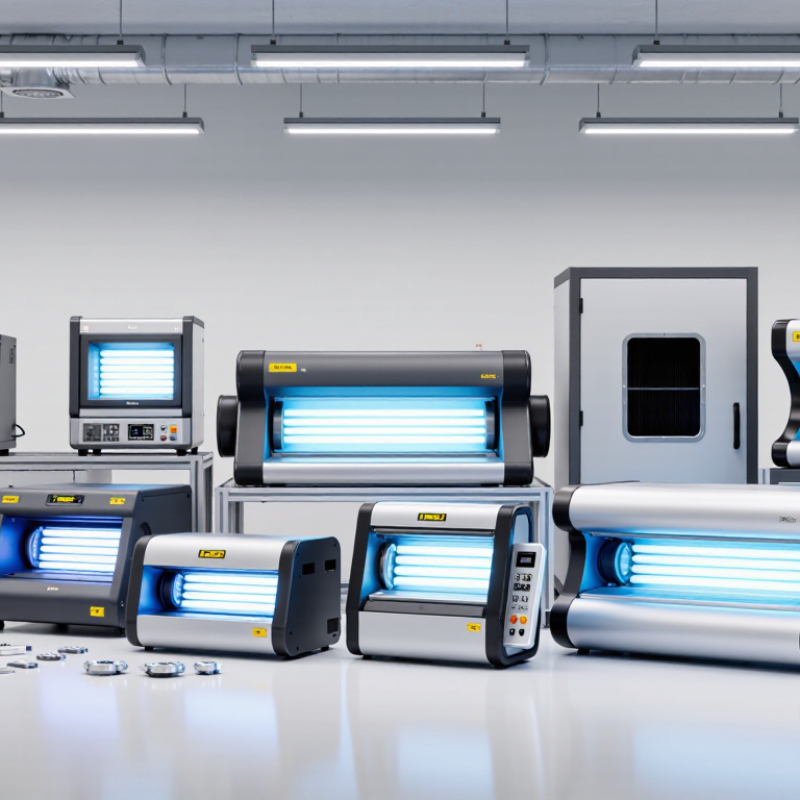
A UV cure machine uses ultraviolet light to harden coatings, inks, adhesives, or resins.
The material contains photoinitiators that react when exposed to a suitable UV wavelength. This reaction changes the liquid layer into a solid film. The process usually takes seconds, not hours.
Inside the machine, UV LEDs or arc lamps produce controlled radiation. A conveyor moves the workpiece beneath the light source. Curing quality depends on wavelength, lamp intensity, exposure time, and material thickness. Cooling systems protect the equipment and prevent heat-sensitive parts from warping. Reflectors help direct energy toward uneven surfaces. It is a precise process.
In practical testing, I check the cured surface for tackiness, discoloration, cracking, and weak bonding. A surface may feel dry while remaining soft underneath. That shortcut was wrong. Measuring UV dose is more reliable than judging appearance alone. Global buyers should confirm voltage, plug standards, replacement parts, shielding, ventilation, and operator controls. Safety interlocks and protective enclosures are essential because direct UV exposure can injure eyes and skin. Different applications also need different wavelengths, curing widths, and conveyor speeds. A compact unit may suit laboratory samples, while production lines require stable output and easier maintenance. The “best” machine depends on the material and workflow, not only its listed power.
A high-quality UV cure machine starts with controlled light, not impressive lamp power. Stable wavelength output, measured irradiance, and even exposure matter more. Check whether the unit records UV dose during each cycle. A visible display is useful, but calibration records are more valuable. Inspect the curing area closely. Dark corners, uneven shadows, or overheated edges can reveal weak design. A brighter lamp is not automatically better.
Thermal management also deserves attention. Fans, heat sinks, and temperature sensors should protect both the lamp and the material. Good shielding reduces accidental exposure risks. Door interlocks should stop curing when the chamber opens. For global buyers, confirm voltage, frequency, plug options, and replacement-part availability. Clear manuals should explain maintenance intervals and measurement methods. I have seen machines fail because operators trusted factory settings too long. That assumption needs regular review.
Tips: Request a sample-curing test before purchase. Use your actual material and thickness. Measure surface temperature after curing. Compare results from the center and edges. Ask for irradiance data, not only curing speed. A practical checklist should include noise, cleaning access, software simplicity, and service response time. If the machine cannot explain its curing results, treat that as a warning sign.
Comparing the 7 best UV cure machines for global buyers requires more than checking lamp power. The right choice depends on material, production speed, and curing depth. Start by matching the machine’s wavelength to the coating or adhesive specification. A unit with adjustable intensity offers better control than a fixed-output model. Ask for measured irradiance and dose data, not only marketing claims.
Look at the curing chamber, conveyor width, and working distance. A compact machine may suit small batches, while a wider conveyor supports continuous production. Cooling matters too. Excess heat can distort plastic parts or weaken sensitive coatings. Check whether the system records temperature, exposure time, and energy output. These records help operators repeat successful settings across different facilities. They also support quality audits.
Global buyers should examine voltage options, plug standards, safety shielding, and available technical support. Replacement lamps, filters, and sensors should have clear service intervals. A lower purchase price can become expensive when parts travel slowly across borders. Ask about calibration procedures and independent test reports. Experience shows that installation space is often underestimated. Measure doorways, ventilation routes, and operator clearance before ordering. I would not rank a machine highly without trial samples. One model may cure quickly on a clear coating but perform poorly on a pigmented one. That weakness deserves attention.
Choosing the seven best UV cure machines depends on the application, not only on output power. UV LED spot systems suit adhesives on sensors, lenses, and small electronic parts. Their cool operation protects heat-sensitive plastics. Flood systems cover wider areas, such as printed panels and coated components. Conveyor machines support continuous production when line speed and repeatability matter.
Mercury-arc systems remain useful for thick coatings and materials needing broader UV wavelengths. However, they generate more heat and require lamp maintenance. UV LED conveyors offer longer service life and lower energy use, but their wavelength range may not match every photoinitiator. Chamber systems work well for batch production and three-dimensional parts. Excimer units can treat delicate surfaces, though process control is demanding. No ranking stays perfect across every factory. Actual performance depends on dose, distance, coating thickness, and surface geometry.
Tips: Ask for measured irradiance, not only rated power. Check the required wavelength before purchasing. Use a calibrated radiometer during installation and routine checks. Test parts at the fastest planned line speed. Leave room for imperfect surfaces; shadowed edges may cure poorly. Operators should record lamp age, exposure time, and temperature. A trial run with real substrates is more reliable than a catalog comparison. Safety shielding, ventilation, and documented maintenance procedures should also meet local industrial requirements.
The chart compares representative peak wavelengths used by seven UV curing machine configurations. UV-LED systems are preferred for targeted, energy-efficient curing, while mercury and metal-halide lamps provide broad-spectrum output for coatings, inks, and large-area production. Wavelength suitability depends on the photoinitiator, material thickness, curing speed, and required surface quality.
Values represent common industrial wavelength references rather than brand-specific specifications. Actual machine performance varies by irradiance, dose, working distance, and material formulation.
Choosing a UV cure machine starts with the material, not the machine’s appearance. Confirm the adhesive, coating, or ink responds to the supplied wavelength. Check required irradiance, cure time, working distance, and maximum substrate temperature. A powerful lamp may still produce poor results if the light pattern is uneven. Ask for measured performance data, not only marketing claims. Global buyers should also verify voltage, plug standards, manuals, spare parts, and local service support.
Operate the machine with its shielding, interlocks, and emergency stop functioning correctly. Keep hands and unprotected skin away from active UV exposure. Wear suitable eye and skin protection recommended for the wavelength. Place the workpiece flat and centered, then run a small test before full production. Watch for overheating, unusual odors, flickering, or incomplete curing. Stop the process when something feels abnormal. Ventilation matters because some curing materials release vapors during exposure.
Maintenance should include cleaning the lamp window, reflectors, fans, and cooling paths after the machine cools completely. Dust can reduce output and create hot spots. Record operating hours and replace lamps or modules according to measured performance, not habit alone. A calibrated radiometer helps confirm intensity over time. One weakness in many routines is relying on visual inspection. Bright light does not prove effective curing. Review failed samples, adjust distance or exposure carefully, and ask a qualified technician when electrical or optical faults appear. No setup is perfect. Safety checks still need repeating.
It uses ultraviolet light to harden coatings, inks, adhesives, or resins. Liquid becomes solid. The process often takes seconds, not hours.
UV LEDs or arc lamps activate photoinitiators within the material. A conveyor moves each part beneath the light source. Wavelength, intensity, exposure time, and thickness affect the result.
Look for stable wavelength output, measured irradiance, and even exposure. Dose recording is useful. A brighter lamp alone proves little. Check for dark corners, overheated edges, and uneven curing.
Inspect the surface for tackiness, discoloration, cracking, and weak bonding. A dry surface may remain soft underneath. I once trusted appearance alone. Measuring UV dose is safer and more reliable.
UV LED spot systems suit adhesives on sensors, lenses, and small electronic parts. Their cooler operation can protect heat-sensitive plastics. Test the actual material first. Small parts vary.
Flood systems cover wider panels and coated components. Conveyor systems support continuous production and consistent line speeds. Chamber systems suit batches and three-dimensional parts. Select the system around the workflow.
Confirm voltage, frequency, plug standards, shielding, ventilation, and replacement parts. Ask for irradiance data, not only rated power. Request a sample test using your material and thickness. Catalog claims can mislead.
Protective enclosures should block direct ultraviolet exposure. Door interlocks should stop curing when the chamber opens. Cooling systems protect lamps and heat-sensitive parts. Operators still need clear procedures and suitable protection.
A Uv Cure Machine uses ultraviolet energy to rapidly harden, dry, or bond specially formulated materials such as coatings, inks, adhesives, and resins. This article explains how UV light activates photoinitiators, creating a fast curing reaction with reduced waiting time and consistent production results. It also identifies the main features of a high-quality system, including suitable wavelength output, stable energy control, adjustable curing intensity, effective heat management, user-friendly operation, safety shielding, and reliable maintenance access.
The guide compares seven types of UV curing machines for global buyers by considering application range, curing speed, working area, energy efficiency, automation options, installation requirements, and total operating cost. It also discusses how different UV technologies fit industrial applications, from precision spot curing to conveyor-based production. Finally, readers learn how to select the right equipment, operate it safely, protect workers from UV exposure, monitor curing performance, clean key components, and schedule routine inspections for dependable long-term use.

Yaguang Machinery